Exploring the psychology behind gambling behavior in casinos
The allure of chance
The thrill of risk and uncertainty is a major draw for many casino-goers. The very nature of gambling compels individuals to engage with the unpredictable, providing an adrenaline rush that can be addictive. This compulsion is not merely about money; it taps into deep-seated psychological mechanisms involving reward, excitement, and even social interactions. Casinos often design their environments to amplify these feelings, using bright lights and vibrant sounds to create a captivating atmosphere.
Moreover, the idea of hitting the jackpot ignites a powerful emotional response. Many gamblers believe in the possibility of a life-changing win, which fuels their persistence. This hope plays against the rational understanding that most games favor the house, leading to a cognitive dissonance that can be difficult to reconcile. It’s the exhilarating mix of possibility and improbability that keeps players returning to the tables.
The impact of environment
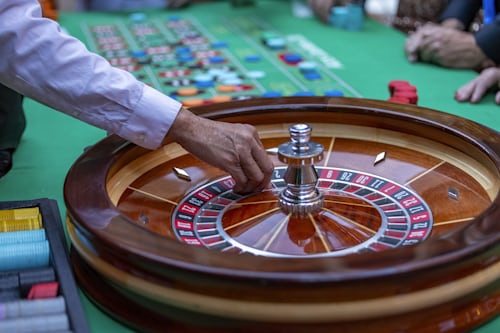
The layout and design of casinos are intricately crafted to enhance player engagement. From the moment guests enter, they are surrounded by strategically placed games, entertainment, and amenities that encourage prolonged stays. Research indicates that elements like repetitive music, enticing aromas, and a lack of clocks contribute to a mind-altering experience, often leading players to lose track of time and money.
An environment devoid of windows further encapsulates a sense of isolation, creating a bubble where the outside world fades away. This sensory deprivation can heighten the gambling experience, placing individuals into a heightened state of excitement and focus. Such intentional design manipulates psychological perception, often steering players towards impulsive decisions that they might not make under normal circumstances.
Cognitive biases at play

The gambler’s fallacy, on the other hand, leads people to believe that past events influence future results. For instance, a player might think that after a losing streak, their chances of winning must increase. This misunderstanding of probability makes it challenging for players to recognize when to stop, further entrenching them in a cycle of chasing losses.
Social dynamics and community
The social environment in casinos enhances the overall experience and drives gambling behavior. Many individuals are drawn to casinos not solely for the games but for the communal atmosphere. Sharing excitement with other players fosters a sense of belonging, and conversations often fuel additional bets. This social interaction can mask the risks associated with gambling, as individuals may feel emboldened by group dynamics.
Conclusion about the website
As we navigate the intriguing intersection of psychology and gambling behavior, understanding these dynamics is essential. The complex interplay of emotion, environment, cognitive biases, and social factors highlights why many find casinos irresistible. Resources like ice fishing casino game provide a unique perspective, merging the thrill of gambling with outdoor adventure, offering a fresh experience for risk-takers and casual participants alike.
For anyone interested in further unraveling their own relationship with gambling, exploring various environments, games, and interactions can reveal key insights. Ultimately, knowledge and awareness are crucial in making informed decisions in the vibrant world of casinos.
Leave a Reply